
Most Australians who sit down to play multi hand blackjack online australia are not chasing one perfect run. They are testing whether a table deals fast enough, pays out in a currency they recognise, and lets them move between hands without relearning the layout every time. As a designer who has modelled multi-hand variants for nearly two decades, I can tell you the maths is straightforward: more hands only sharpen the house edge when the rules are identical and the shuffle is honest. The real question is whether the interface keeps that edge visible.
That kind of practical scrutiny usually points to operators who invest in local compliance and transparent payout structures rather than flashy bonuses. When you want to compare how different platforms handle those expectations, the detailed breakdowns at meanjin casino guides offer a reliable starting point. The result is a shorter learning curve and fewer surprises when it comes time to withdraw winnings.
What the table actually asks of you
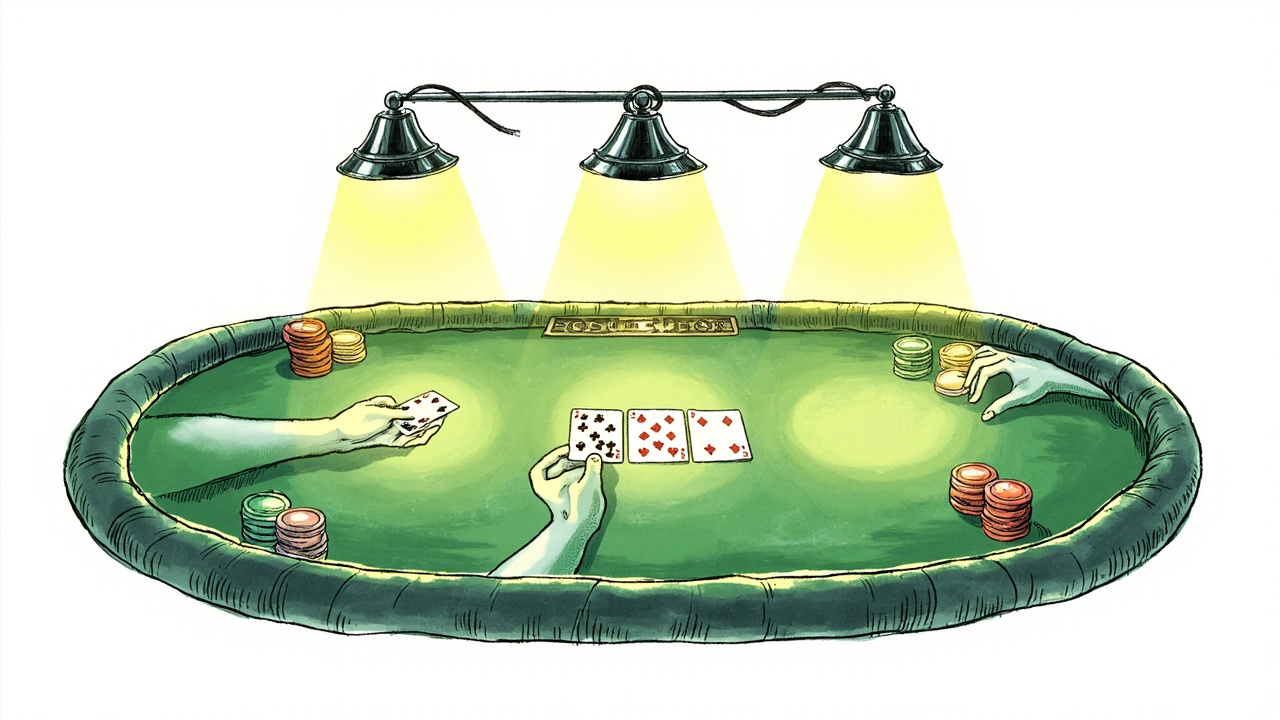
A multi-hand setup is not a novelty; it is a pacing decision. You are choosing between one careful spot and several simultaneous lines, and the software has to keep each shoe, each split, and each double-down leg readable without turning the screen into a scoreboard. In my own modelling work, I have seen players lose more to mis-timed splits than to the basic strategy edge, simply because the layout buried the dealer up-card behind a cluster of active hands. A well-built table puts the shoe forward, keeps hand chips distinct, and shows the standing rule – usually S17 or H17 – before you commit. That is the difference between a table that rewards discipline and one that quietly taxes hesitation.
Localisation matters here more than most operators admit. If the table shows dollars, lists payouts in the same unit, and uses language that matches what you hear down the pub, you spend less time translating and more time playing. The best tables I have tested keep a clean visual hierarchy: active hand, pending hand, folded hand, all in a rhythm you can scan in a second. Anything that forces you to hunt for the dealer card or the insurance prompt is a design fault, not a player problem.
How to weigh the setup before you sit down
Read the table, not the banner
The first thing to check is whether the rules are actually consistent across hands. A multi-hand table should run the same deck count, the same peek rule, and the same surrender window on every line; if one hand pays 3:2 and another quietly shifts to 6:5 on certain payouts, you are not playing one game, you are playing two. I have run simulations where a 6:5 payout on a single hand dragged the blended edge up by more than a tenth of a percent – small on paper, thepokiesnet-review.com noticeable over a long arvo. Before you fund a table, confirm the payout schedule is stated plainly and matches the rules on the main shoe. If the operator buries that detail behind a tooltip or a terms link, treat it as a warning, not a quirk.
The second thing is pace. Multi-hand play can feel busy as a Friday night at a busy pub if the dealer animation is slow or the hand resolution stacks up. A decent table lets you act on each hand in turn without freezing the whole shoe, and it keeps the bet amounts visible so you are not guessing whether you doubled down on hand three or hand four. When I compare that to a single-hand table, the advantage is not speed for its own sake; it is the ability to keep your own rhythm while the software handles the rest.
Check the everyday bits that decide whether you stay
Navigation should not require a map. If you can move from the blackjack table to a pokies session and back without the layout changing underneath you, the product is doing its job. That is where a neighbour like aap.com.au tends to live in the same ecosystem – news and sport in the same breath as the games you came for – so the transition feels ordinary rather than jarring. The same goes for language and currency: if the table speaks in dollars and the register reads in the same unit, you are not mentally converting every time you hit double-down.
Mobile is where most of this gets decided. A multi-hand table that works on a phone without shrinking the shoe to a postage stamp is worth more than one that looks sharp only on a desktop. I have seen operators promise a polished mobile experience and then deliver a table where the split button hides behind a second tap; that is the kind of friction that turns a deliberate session into a frustrated one. If you are playing on the train into Melbourne or killing time in an arvo break, the table should let you act, not make you negotiate the screen. For players who want a different kind of pace entirely, the mega joker slot machine for line is a separate product, but the same usability standard applies – clear bet control, visible outcomes, no hidden steps.
Support and registration should be boring in the right way. A clean sign-up, a currency that matches the table, and a help path that does not send you in circles are the baseline. Sophie Scott, Customer Experience Lead, Flinders Interactive Group, puts it plainly: “If a player has to ask where the payout rule is, the table has already lost the room.” That is the kind of judgement I recognise from my own build work – clarity is not a feature you add later, it is the thing you design around. Adam Baker, Affiliate Partnerships Director, Brighton Beach Betting Lab, is equally direct on the operator side: “A multi-hand table that looks generous on the banner but pays 6:5 on a key hand is not a bonus, it is a maths problem wearing a smile.”
When multi-hand play actually suits your game
The decision comes down to what you want from the session. If you are playing to practise a strategy, multi-hand lets you test the same decision across several lines without resetting the shoe every time. If you are playing to manage variance, you can spread a bankroll across hands and watch how the same up-card plays out differently on each split. If you are playing for a quiet hour, a single hand is often the better fit, because multi-hand adds decision load you do not need when you are just keeping the cards moving. The interface should make that choice obvious, not hide it behind a feature list.
There is also the local reality of how Australians actually play. Down at a Melbourne RSL or a suburban pub, the pokies culture is loud, fast, and built around a machine that does one thing well; online multi-hand blackjack is a different rhythm, and the table should not pretend otherwise. If you are used to the pub pace, a slow multi-hand table will feel wrong; if you are used to a careful single-hand session, a crowded multi-hand layout will feel like work. Neither is wrong, but the table should match the session you actually want, not the one the banner implies.
Verdict
Play multi hand blackjack online australia when the table is honest about its rules, clear about its payouts, and built so you can read the shoe without hunting for it. If the layout keeps each hand distinct, the currency matches the register, and the mobile version does not hide the split button, the multi-hand format earns its place. If the rules shift between hands, the banner outruns the fine print, or the table feels busy for the sake of it, walk on. The maths does not care about the polish; it only cares whether the table lets you play what it says it is playing.